Jef Raskin’s “Humane” Computer Vision: A Legacy of Ideas
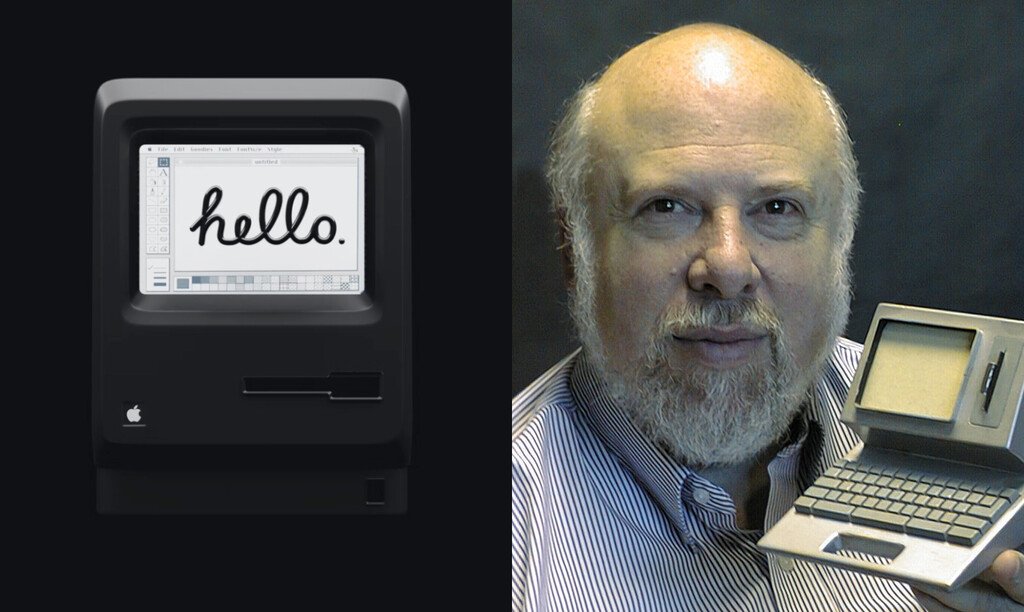
Who Was Jef Raskin?
-
Jef Raskin was an early Apple employee who initiated the original Macintosh project around 1979. He believed computers should be simpler, more functional, and designed with humane considerations—minimizing unnecessary complexity and tailoring technology to how people think. Ars Technica
-
His guiding philosophy was that usability matters deeply—not just making things visually appealing, but making tasks easier to perform, limiting cognitive load, and reducing frustration. Ars Technica
The “Cul-de-Sac”: Swyft, Canon Cat & THE/Archy
-
After leaving Apple, Raskin founded a company called Information Appliance, Inc. to build on his ideas. One of his main projects was the Swyft computer, an all-in-one device focused on workspace continuity, unified document editing, and modeless computing (i.e. avoiding modes that confuse users). Ars Technica
-
The Swyft prototype led to the Canon Cat, a commercial product released in 1987. Although well designed, it didn’t achieve mass adoption—in part because its target audience didn’t align with what mainstream users expected in terms of applications and functions. Ars Technica
-
Raskin’s later work included THE (The Humane Environment) and then Archy, software environments meant to embody his vision of a humane interface: single workspace, efficient navigation, leaping (quick jumps through content), minimal switching between modes or apps, treating everything as documents rather than separate files or directories. Ars Technica+1
Key Principles Raskin Championed
| Principle | What It Means | Why It Matters |
|---|---|---|
| Modelessness | The interface shouldn’t require toggling between different contexts or modes (where the same inputs do different things depending on mode). | Reduces confusion and mistakes. Less “which mode am I in?” anxiety. Ars Technica |
| Unified Workspace | Everything lives in one big, logical document or workspace rather than many separate apps / files. | Simplifies interaction, makes recovery of work and context much easier. Ars Technica |
| Leaping vs Point-and-Click | Navigate large documents or content via search/leap keys rather than necessarily using mouse, menus, or file browsers. | Faster paths to information, less reliance on visual navigation. Ars Technica |
| Habit & Consistency | Actions should behave the same way across the system, allowing users to form useful habits. | Once learned, routine tasks become smooth, predictable, less mentally taxing. Ars Technica |
Why It’s Called a “Cul-de-Sac”
-
Although Raskin’s ideas were deeply insightful and influenced interface design, many were never adopted widely. The mainstream computing paradigm (windows, icons, menus, pointer devices—“WIMP”) continued to dominate. Ars Technica
-
The Canon Cat, THE/Archy, and Swyft were either commercial failures or niche tools. Their radical interface ideas never fully broke into mass markets. Ars Technica
-
That said, some concepts (habit-formation, consistency, minimizing modes) live on in smaller ways in modern OS features and tools—though rarely as fully realized as Raskin envisioned. Ars Technica
Final Takeaway
Raskin’s quest for humane computing was more than a historical curiosity—it was a thoughtful critique and alternative to how user interfaces evolved. Even though many of his projects didn’t become mainstream, the problems he aimed to solve—cognitive overload, interface inconsistency, confusing modality—are still very much alive. His work challenges designers to rethink usability not as decoration but as empathetic design aligned with human psychology.